#1
Posted: 2/17/08 at 11:24pm
I wrote this short essay on Follies and Grey Gardens this evening. I wrote it quickly and just for fun and because I've been thinking about both shows for some time now so I'm sure there are errors in it (Mea culpa) but I'd like to share it to see if anyone passionately agrees (or violently disagrees) with me. Enjoy! :)
* * *
SALLY & EDIE
It is April 4, 1971. A crowd of stars are under the marquee of the Winter Garden Theatre in New York- Mayor John Lindsay, Elaine Stritch, Ethel Merman, Betty Comden, Adolph Green and perhaps most importantly, producer-director Harold Prince and composer-lyricist Stephen Sondheim.
New York in 1971 was in a pretty dismal state as was the country, but the New York theatre especially. There were hits- No, No Nannette, Prince’s own Fiddler on the Roof, Prince and Sondheim’s Company, the Lauren Bacall vehicle Applause and some others, but this was not the Broadway where you could chose between South Pacific, Death of a Salesman, A Streetcar Named Desire, The King and I, Kiss Me, Kate, Paint Your Wagon, Pal Joey and Guys and Dolls on one night!
But this opening at the Winter Garden was like the old days- big stars, hell, even the mayor! And a show called Follies. Pretty dancing girls and Sondheim trying to be Irving Berlin and George Gershwin, no? Well, not exactly. Follies, which was about how America changed (not for better, either) between the war and the Nixon era mixed in with acid-tinted nostalgia and two married couples at the rope’s end of unsuccessful matrimonies (“The musical theatre equivalent of Virginia Wolf” noted author Louis Botto wrote Prince) indeed had some lovely Berlin/Gershwin/Arlen pastiches thrown into a score filled with Sondheim’s own unique style of music and it had dancing girls, but it was not a Ziegfeld’s Follies. And that’s why it failed. Miserably. A five hundred some odd performance run isn’t so bad, you bequeath. Well, yeah. Show Boat ran about that long. But Show Boat ran in the days when two hundred performances meant a smash hit and Show Boat didn’t cost $800,000. Follies did.
And audiences (and many of the jaded- and foreign- New York press) hated Follies too!
Flash forward to 2006. It is November 2 in a very different New York. The grimey porno houses are gone. So are the hookers, squeege men and junkies. The perverse are depressed, the tourists bask in the glow of the lights of the Disneyfied Times Square. Stars are under a different marquee this evening, the Walter Kerr Theatre’s marquee to be exact. Some of those stars, comedienne/activist Rosie O’Donnell and her life partner, Kelli, Pulitzer Prize winning playwright, John Patrick Shanley and oddly enough, filmmaker Albert Maysles and very oddly enough, Lee Radziwill. Maysles and Radziwill do not typically attend these sort of things, unless of course this thing is called Grey Gardens.
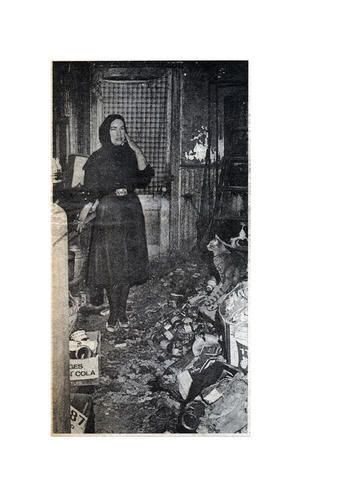
Yes, Maysles made (with his brother, David) the famed documentary about the reclusive Beale women (“Big” Edie and her daughter “Little” Edie) who lived in a condemned East Hampton estate in squalor for much of the 1970s (They weren’t at Follies’ opening, that’s for sure) and Ms. Radziwill, well, she was the aunt and cousin of the two women.
You’d expect the musical comedy version of Grey Gardens to be an arch, campy one- the musical theatre equivalent of a John Waters film. But despite “Little” Edie’s bizarre clothes and both ladies’ famous quips, there is a real poignancy to the film and thankfully, Scott Frankel, the composer, Michael Korie, the lyricist and Doug Wright, the librettist, understood that and, with the brilliant performances of Christine Ebersole and Mary Louise Wilson, made Grey Gardens both screamingly funny and heartbreaking (heartbreaking underlined twice).
Like Follies, Grey Gardens was about how America changed (and not for the better) between the war and the Nixon era. The ladies were a little cuckoo in the first act set in the summer 1941 in a splendidly decorated Grey Gardens with the lawn manicured and the pianist playing a song called “Two Peas in a Pod,” but the war is looming and pianist is also playing another song, this one called “Drift Away.”
By 1973, the ladies are flat out insane. “Big” Edie is a deluded old loon. Her daughter, worse (and bald). There’s no pianist, but they sing songs called “Jerry Likes My Corn” and “Another Winter in a Summer Town.” And they’re endearing too. The war changed these old broads as much as it changed the feuding couples in Follies.
What else does Grey Gardens have in common with Follies aside from its themes? Well, it lost a lot of money. Both have a huge cult following (but just a cult following, remember). The critics adored it, but the public was more interested in the bland Legally Blonde and the pretentious Spring Awakening. And it is its sequel.
Yes, Grey Gardens is the only possible sequel to Follies. I mean, they’re the same show. Sally Durant Plummer and “Little” Edie Beale are the same deluded, girlish, flirtatious, vulnerable women. Both deal with 1941 and the early 70s, albeit differently- Follies through Fellini-esque flashbacks and cross fades, Grey Gardens through two distinct acts and both deal with how World War II really ruined America- its politics, its culture and most importantly, its citizens.
You know, I wouldn't be surprised if Sally and Edie were roommates at the Barbizon...
*Any better?*
* * *
SALLY & EDIE
It is April 4, 1971. A crowd of stars are under the marquee of the Winter Garden Theatre in New York- Mayor John Lindsay, Elaine Stritch, Ethel Merman, Betty Comden, Adolph Green and perhaps most importantly, producer-director Harold Prince and composer-lyricist Stephen Sondheim.
New York in 1971 was in a pretty dismal state as was the country, but the New York theatre especially. There were hits- No, No Nannette, Prince’s own Fiddler on the Roof, Prince and Sondheim’s Company, the Lauren Bacall vehicle Applause and some others, but this was not the Broadway where you could chose between South Pacific, Death of a Salesman, A Streetcar Named Desire, The King and I, Kiss Me, Kate, Paint Your Wagon, Pal Joey and Guys and Dolls on one night!
But this opening at the Winter Garden was like the old days- big stars, hell, even the mayor! And a show called Follies. Pretty dancing girls and Sondheim trying to be Irving Berlin and George Gershwin, no? Well, not exactly. Follies, which was about how America changed (not for better, either) between the war and the Nixon era mixed in with acid-tinted nostalgia and two married couples at the rope’s end of unsuccessful matrimonies (“The musical theatre equivalent of Virginia Wolf” noted author Louis Botto wrote Prince) indeed had some lovely Berlin/Gershwin/Arlen pastiches thrown into a score filled with Sondheim’s own unique style of music and it had dancing girls, but it was not a Ziegfeld’s Follies. And that’s why it failed. Miserably. A five hundred some odd performance run isn’t so bad, you bequeath. Well, yeah. Show Boat ran about that long. But Show Boat ran in the days when two hundred performances meant a smash hit and Show Boat didn’t cost $800,000. Follies did.
And audiences (and many of the jaded- and foreign- New York press) hated Follies too!
Flash forward to 2006. It is November 2 in a very different New York. The grimey porno houses are gone. So are the hookers, squeege men and junkies. The perverse are depressed, the tourists bask in the glow of the lights of the Disneyfied Times Square. Stars are under a different marquee this evening, the Walter Kerr Theatre’s marquee to be exact. Some of those stars, comedienne/activist Rosie O’Donnell and her life partner, Kelli, Pulitzer Prize winning playwright, John Patrick Shanley and oddly enough, filmmaker Albert Maysles and very oddly enough, Lee Radziwill. Maysles and Radziwill do not typically attend these sort of things, unless of course this thing is called Grey Gardens.
Yes, Maysles made (with his brother, David) the famed documentary about the reclusive Beale women (“Big” Edie and her daughter “Little” Edie) who lived in a condemned East Hampton estate in squalor for much of the 1970s (They weren’t at Follies’ opening, that’s for sure) and Ms. Radziwill, well, she was the aunt and cousin of the two women.
You’d expect the musical comedy version of Grey Gardens to be an arch, campy one- the musical theatre equivalent of a John Waters film. But despite “Little” Edie’s bizarre clothes and both ladies’ famous quips, there is a real poignancy to the film and thankfully, Scott Frankel, the composer, Michael Korie, the lyricist and Doug Wright, the librettist, understood that and, with the brilliant performances of Christine Ebersole and Mary Louise Wilson, made Grey Gardens both screamingly funny and heartbreaking (heartbreaking underlined twice).
Like Follies, Grey Gardens was about how America changed (and not for the better) between the war and the Nixon era. The ladies were a little cuckoo in the first act set in the summer 1941 in a splendidly decorated Grey Gardens with the lawn manicured and the pianist playing a song called “Two Peas in a Pod,” but the war is looming and pianist is also playing another song, this one called “Drift Away.”
By 1973, the ladies are flat out insane. “Big” Edie is a deluded old loon. Her daughter, worse (and bald). There’s no pianist, but they sing songs called “Jerry Likes My Corn” and “Another Winter in a Summer Town.” And they’re endearing too. The war changed these old broads as much as it changed the feuding couples in Follies.
What else does Grey Gardens have in common with Follies aside from its themes? Well, it lost a lot of money. Both have a huge cult following (but just a cult following, remember). The critics adored it, but the public was more interested in the bland Legally Blonde and the pretentious Spring Awakening. And it is its sequel.
Yes, Grey Gardens is the only possible sequel to Follies. I mean, they’re the same show. Sally Durant Plummer and “Little” Edie Beale are the same deluded, girlish, flirtatious, vulnerable women. Both deal with 1941 and the early 70s, albeit differently- Follies through Fellini-esque flashbacks and cross fades, Grey Gardens through two distinct acts and both deal with how World War II really ruined America- its politics, its culture and most importantly, its citizens.
You know, I wouldn't be surprised if Sally and Edie were roommates at the Barbizon...
*Any better?*
Updated On: 2/19/08 at 11:24 PM

.jpg?format=auto&width=300)