Also, you can add Isabel Bigley, who won the "featured" award for playing Sarah Brown in Guys & Dolls. Edie Adams won "featured" for playing Daisy Mae in Li'l Abner.
Carlin Glenn and Henderson Forsythe won the featured awards for playing Miss Mona and the Sheriff in "Best Little Whorehouse..." and that was as late as 1979.
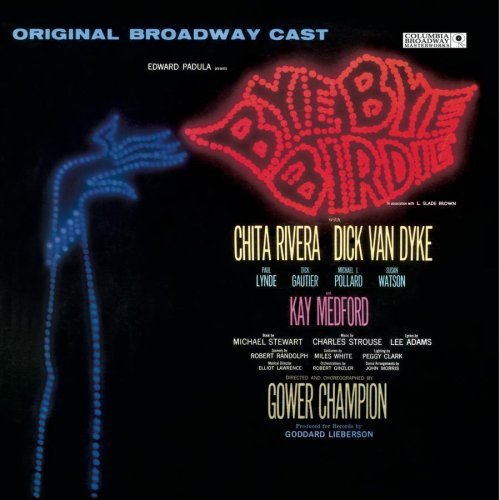
The rule is actually still in place, but producers can petition the nominating committee to have an actor or actress placed in a different category (which didn't start until the mid-'70s with Donna McKechnie's leading win in A Chorus Line). That doesn't mean they'll agree to it, but if the names aren't submitted they are automatically categorized by billing: Above-the-title actors are in the leading category, and below-the-title actors are in the "featured" category. Whenever you see a nomination that doesn't follow this rule, it's because the committee was petitioned and accepted the switch.
It works both ways too. You might remember that Audra McDonald was billed above the title in Ragtime, but the producers petitioned to have her compete in the "featured" category, presumably to avoid having her in direct competition with Marin Mazzie as Mother... in addition to the fact that her character Sarah dies at the end of Act I, and has only a brief appearance in Act II.
This (to me) is when the semantics game comes up. Technically "featured" and "supporting" aren't the same thing. But you'll never convince the general public, though, and you'll never convince the actors or producers of it, either.
"Jaws is the Citizen Kane of movies."
blocked: logan2, Diamonds3, Hamilton22





.jpg?format=auto&width=300)