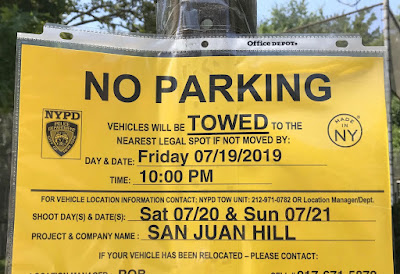
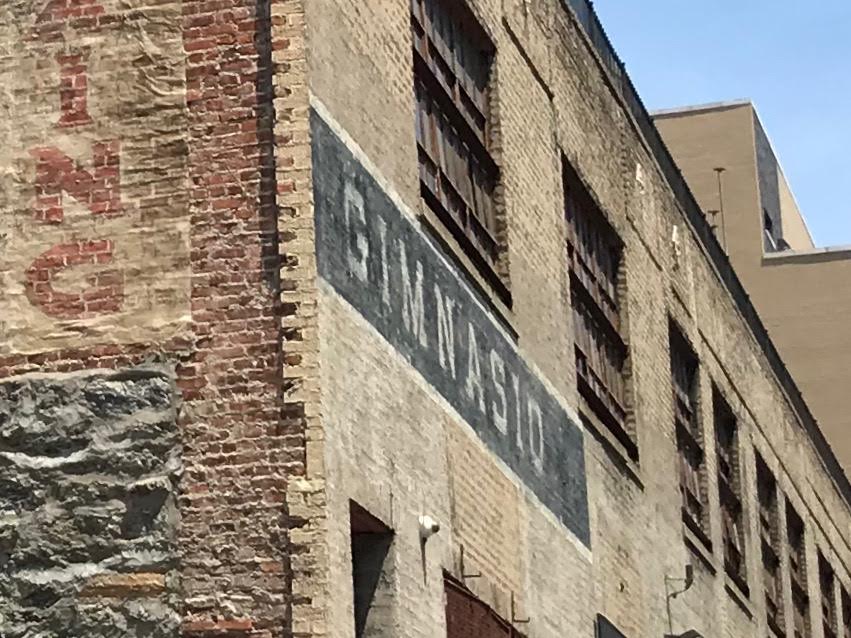
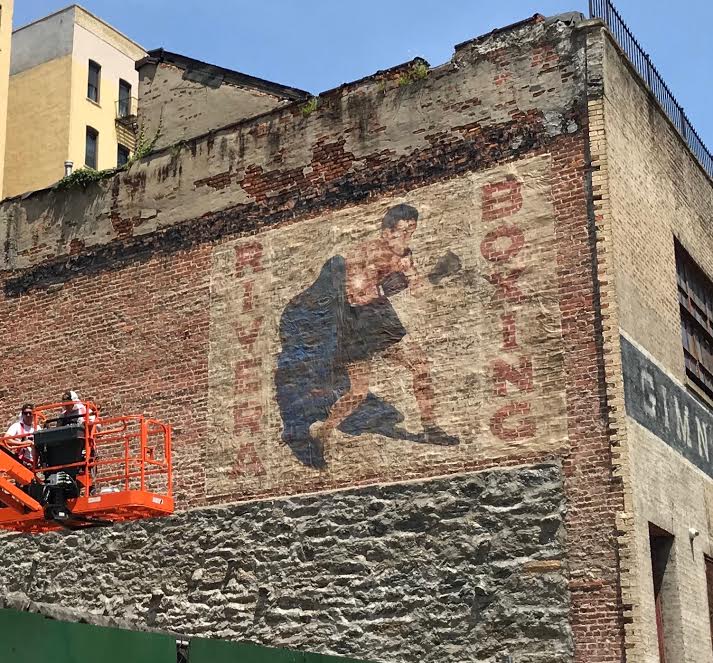
degrassifan said: "First scene heading from Tony Kushner’s script. Found it on Twitter. It’s from the making-of book.
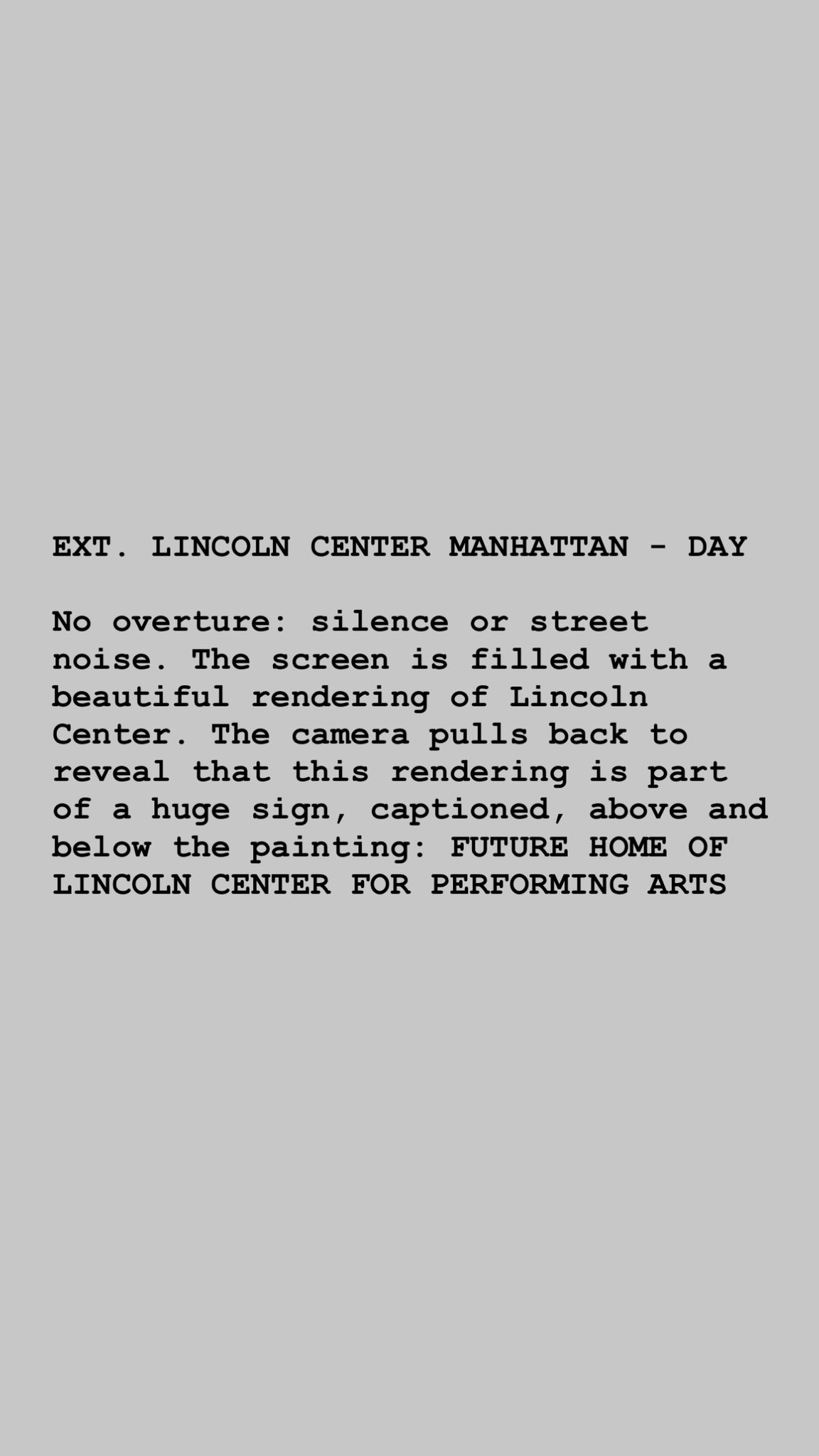
Kushner is beyond brilliant in tying in the connections of San Juan Hill falling victim to racism under the guise of urban renewal to make way for The Lincoln Center of the Performing Arts and "West Side Story".
I found this interesting article online that contains excerpts from a book that details all of this:
I Think I'll Go Back To San Juan
This book narrates the creation of the iconic musical West Side Story and the backlash to urban developer Robert Moses’ plan to build the Lincoln Center for Performing Arts in the 1950s. These events are connected: the neighborhood that inspired the setting of West Side Story – San Juan Hill – was on the performing arts site. As crowds gathered to watch the Jets and the Sharks engage in a murderous turf war on the ‘West Side,’ over 7,000 families fought for their homes less than a mile away. Many people have written about the origins of West Side Story. Many others have written about urban renewal in 1950s New York. But the link between these two stories has been largely lost to time.
Less than a mile away, the Winter Garden Theatre on Broadway was filled with a a different kind of anticipation. As previews in Washington D.C. drew to a close, actors prepared to take their place onstage in New York. For many, like Carol Lawrence, starring as Maria, this could make or break their careers. On September 8, Times critic Seymour Peck did a feature on the preparations for West Side Story, calling it an “ingenious paraphrase of Shakespeare”. He praised the writers for recasting the doomed lovers as a “Puerto Rican girl new to the city” and a “city boy” whose gang is “ruled by hatred of newcomers,”[10] notably avoiding the racial difference behind the prejudice. The accompanying pictures from previews in Washington D.C. gloss over the set’s resemblance to San Juan Hill. The likeness, though, would become all the more apparent with real-life proximity when the play opened in New York later that month.
On June 10, 1958, a little over six months later, the first residents of Lincoln Square were relocated. Present asserted, “The battle of Lincoln Square is not over.” As West Side Story completed its Broadway run and its following national tour, residents were gradually moved out of the neighbourhood. In mid-1960, as the last moving trucks were leaving the neighbourhood, film crews moved in. Shortly before demolition, the vacant tenements, shops, and streets were used as locations in Jerome Robbins’ 1961 Hollywood version of West Side Story. For better or worse, this film is one of the last visual records of the neighbourhood.