Scott Miller said it best, so I'll just quote him:
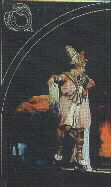
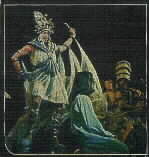
"The next song, 'King Herod's Song,' is among the most interesting, for both good and bad reasons. First, Herod is like so many modern Christians, always asking God for something, always making deals, always begging for miracles, always flocking to far-flung places to witness the latest fake miracle sighting. Herod here plays the role of the Pharisees in the Bible, goading Jesus, tempting him to prove he has God on his side. But Jesus sees how shallow and inconsequential Herod is, and he knows that no matter what he says, his situation isn't getting any better. This song is Lloyd Webber's only obvious use of pastiche, a kind of raucous, blackly comic, British music hall song and dance number, presumably chosen to trivialize Herod, to show us how insignificant he is. Still, though it's clear that Lloyd Webber wanted to paint Herod as a grotesque man playing at being King, the use of such different music is a questionable choice. The song doesn't belong with the rest of the show, and certainly Herod isn't the only villain in the story; why aren't the others portrayed with equally bizarre, non-rock music? As unexpected as it is, introducing this kind of musical anomaly so far into the evening leaves the audience feeling disoriented, and sometimes more hostile toward Rice and Lloyd Webber than toward Herod. Merely using more rock sound in the instrumentation would have helped the number immeasurably, but as it stands, it just doesn't belong. British audiences, who are more familiar with the tradition of the British musical hall (their version of vaudeville) probably found this music less jarring than Americans did, but it still seems weaker than the rest of the score.
In the 1994 recording
Jesus Christ Superstar - A Resurrection, 'King Herod's Song' is done as a 1950s rock number in 6/8; not only is it stronger dramatically, it also fits better into the score. Many modern productions now massage the music into something closer to rock, to satisfy audiences now used to fully integrated pop opera scores like
Les Misérables and
Rent. Herod eventually passes the buck again, and sends Jesus back to Pilate after he's had his fun. This number is often played as silly, comic relief in most productions, and inexplicably making Herod gay! (Apparently, for some folks, Herod's decadence in the Bible is easily expressed by homosexuality because we all know how decadent those gays are!) But the truth is that there is far more substance in this material than is usually apparent. For this great philosopher and political leader to be treated so disrespectfully, so grotesquely should be deeply upsetting, particularly with the extra baggage of two thousands years of Christian culture we all have. 'King Herod's Song' should be ridiculous – Rice once wrote, 'King Herod was a bit of a debauched bloke, who sat around smoking and drinking all the time with a lot of women around him.' – but he should also be scary, dangerous, disturbing."
"There is no problem so big that it cannot be run away from."
~ Charles M. Schulz



.jpg?format=auto&width=300)